The Long Read - Changing Roads
In which you grab a cup of coffee and settle in to read about roads, but it's not actually about cars.
Oh the traffic! Won’t someone think of the poor drivers who are stuck in traffic. Never mind that they are the traffic!
If you listen to some people today, one would think that the state of our roads is uniquely terrible. Sitting in our cars, merging, exiting, and yielding, it is easy to imagine we are the center of the traffic universe. But people complaining about roads is not new! Roads have always been under construction - there has always been something to improve, and the work has literally never ended. Yet that didn't stop Albemarle from evolving. Communities appeared, neighbors moved in, and families grew. Today, Virginia has the third-largest state-maintained highway system in the country.
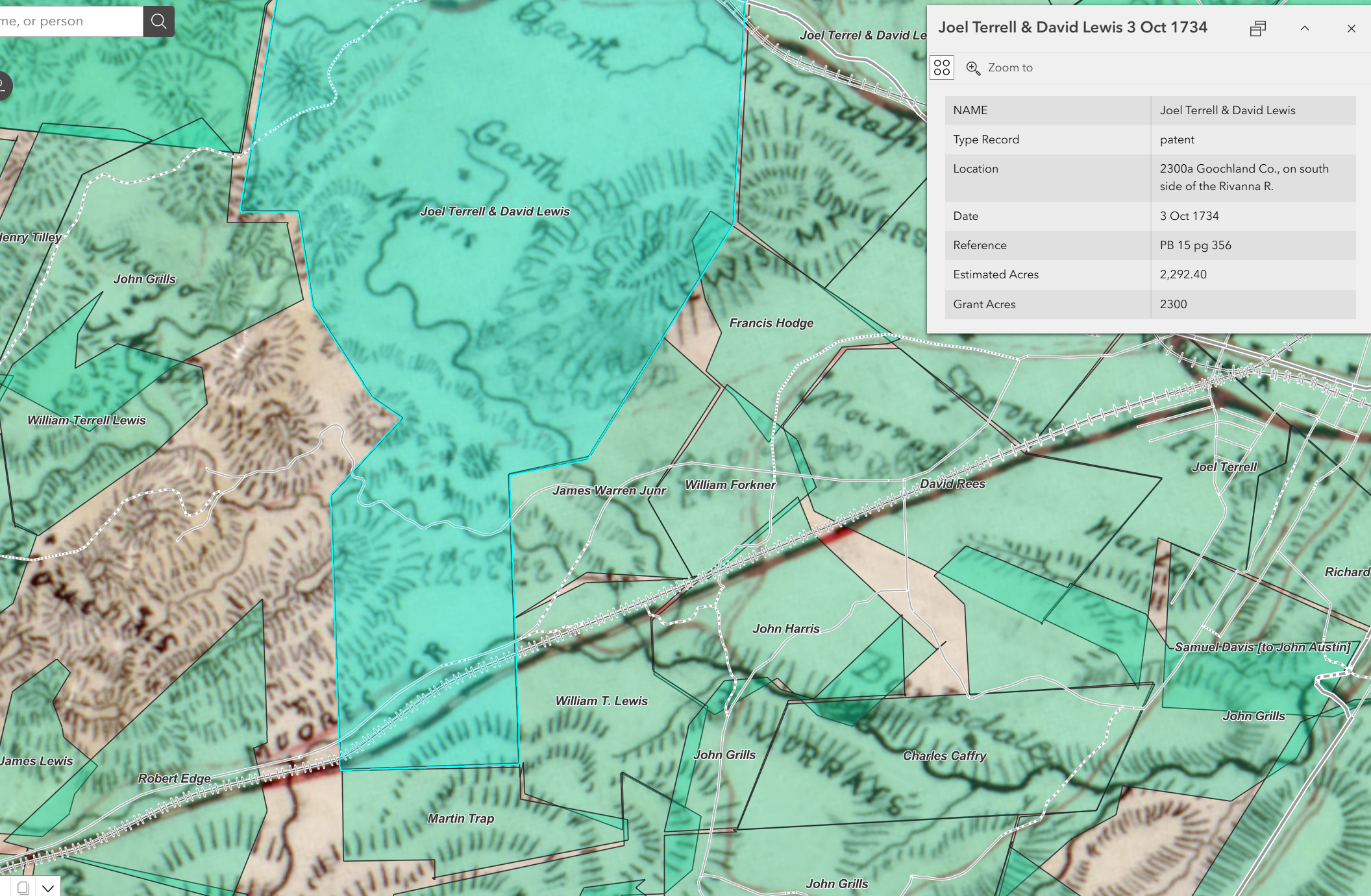
It certainly did not start that way. When Joel Terrell & David Lewis received their 2,300 acre land grant in 1734, they could not have imagined that one day an interstate would cut through their property, carrying thousands of cars at 70+ mph. When they were viewing “the proposed road & report the conveniances and inconveniances to the public and individuals both as it respects the present road and the one proposed,” surely they couldn’t have imagined how the road system would have grown.
How in the world do we know how the early roads were laid out in Albemarle County? How do we know that individual property owners were responsible for creating and maintaining the road? How do we know that enslaved people probably did most of the work?
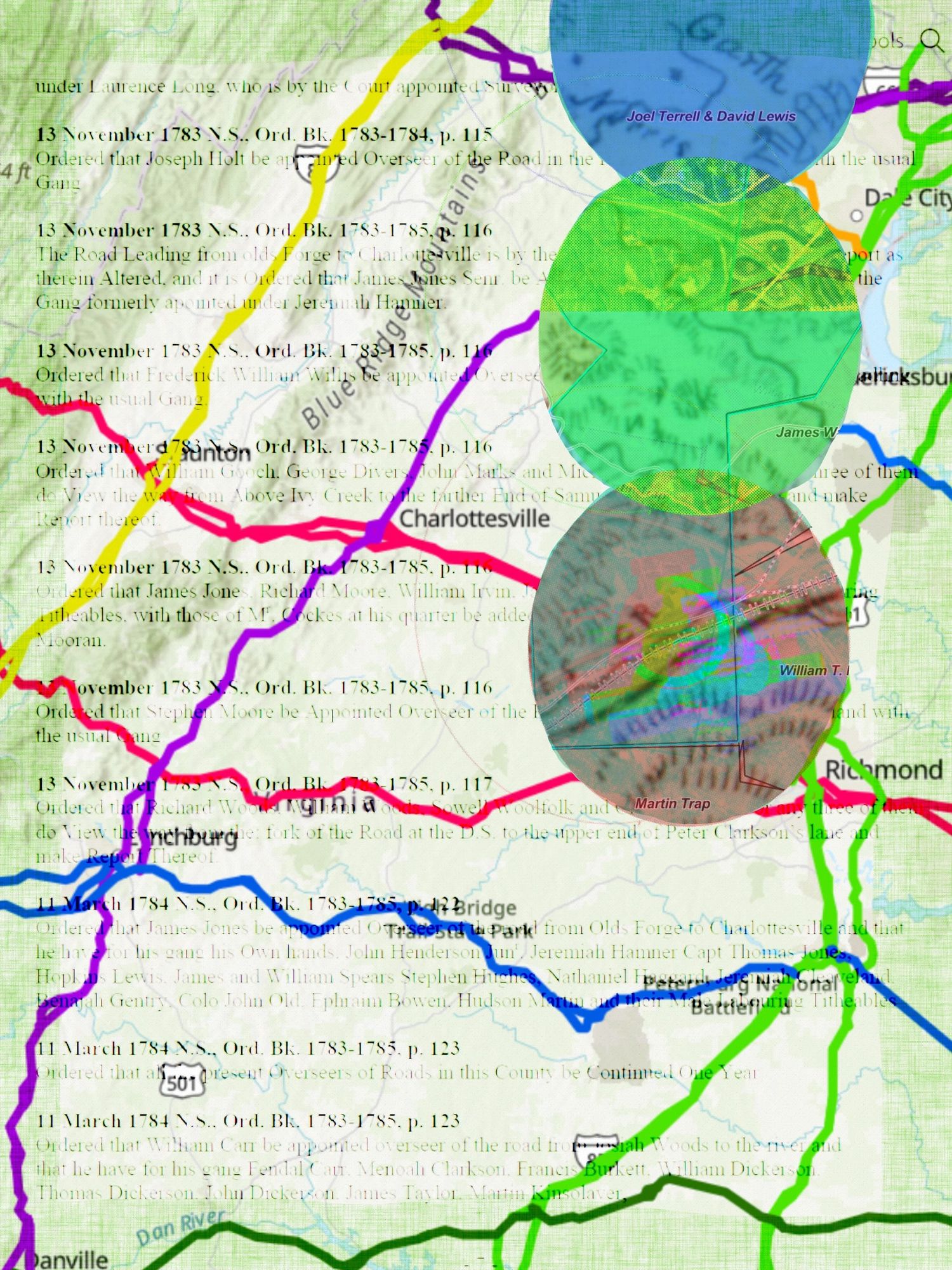
We know for the simple fact that they wrote it all down and in the 1970s, VDOT and UVA worked to transcribe all the road orders and put them into a convenient and fascinating document. Thanks to the magic of the internet, 300 year-old history is just a PDF away! There’s also a research report that went along with, and while later research such as Karenne Wood’s work and the book Monacan Millennium shows how outdated the indigenous people portion is (and when you put the two histories together, one realizes just how directly tied road infrastructure was with the dispersal of the Monacan people), the road history is really interesting to read through. Not only that, but for several years, VDOT also ran a series of newsletters that are about various aspects of transportation history, and are pretty interesting to read.
I use this road history when I teach my U.S. & Local History class, and one fun thing I learned from this is that the Free Bridge is called that because it was literally the free bridge, with no tolls.
“A site near where Route 250 now crosses was selected in preference to one lower down at the Secretary’s Ford where the Three Notch’d Road crossed. This would be bridged in 1825 by William H. Meriwether’s toll bridge, giving use to the ‘free bridge’ name for the upper one, which charged no tolls. The court ordered that a contract for this bridge be let on 5 October 1801.”
And how some things never change – even then, the lowest bidder won the job.
The actual road order says:
“5 October 1801, Ord. Bk. 1801-1802, p. 77
The Court taking into consideration that a bridge across the Rivanna River at Moores ford will be of public utility, It is therefore ordered that George Divers, Thomas M Randolph, John Watson, Nimrod Branham, Joshua Key, and Achilles Douglass or any three of them, let to the lowest bidder the building and warranting a bridge across the said River for the term of seven years, provided the sum for which the same shall be let shall not exceed the sum of two thousand Dollars.”
The Court taking into consideration that a bridge across the Rivanna River at Moores ford will be of public utility, It is therefore ordered that George Divers, Thomas M Randolph, John Watson, Nimrod Branham, Joshua Key, and Achilles Douglass or any three of them, let to the lowest bidder the building and warranting a bridge across the said River for the term of seven years, provided the sum for which the same shall be let shall not exceed the sum of two thousand Dollars.”
Eventually the state would create a public works department, taking over this work, but suffice it to say, even with that, people were not always happy about the state of the roads.
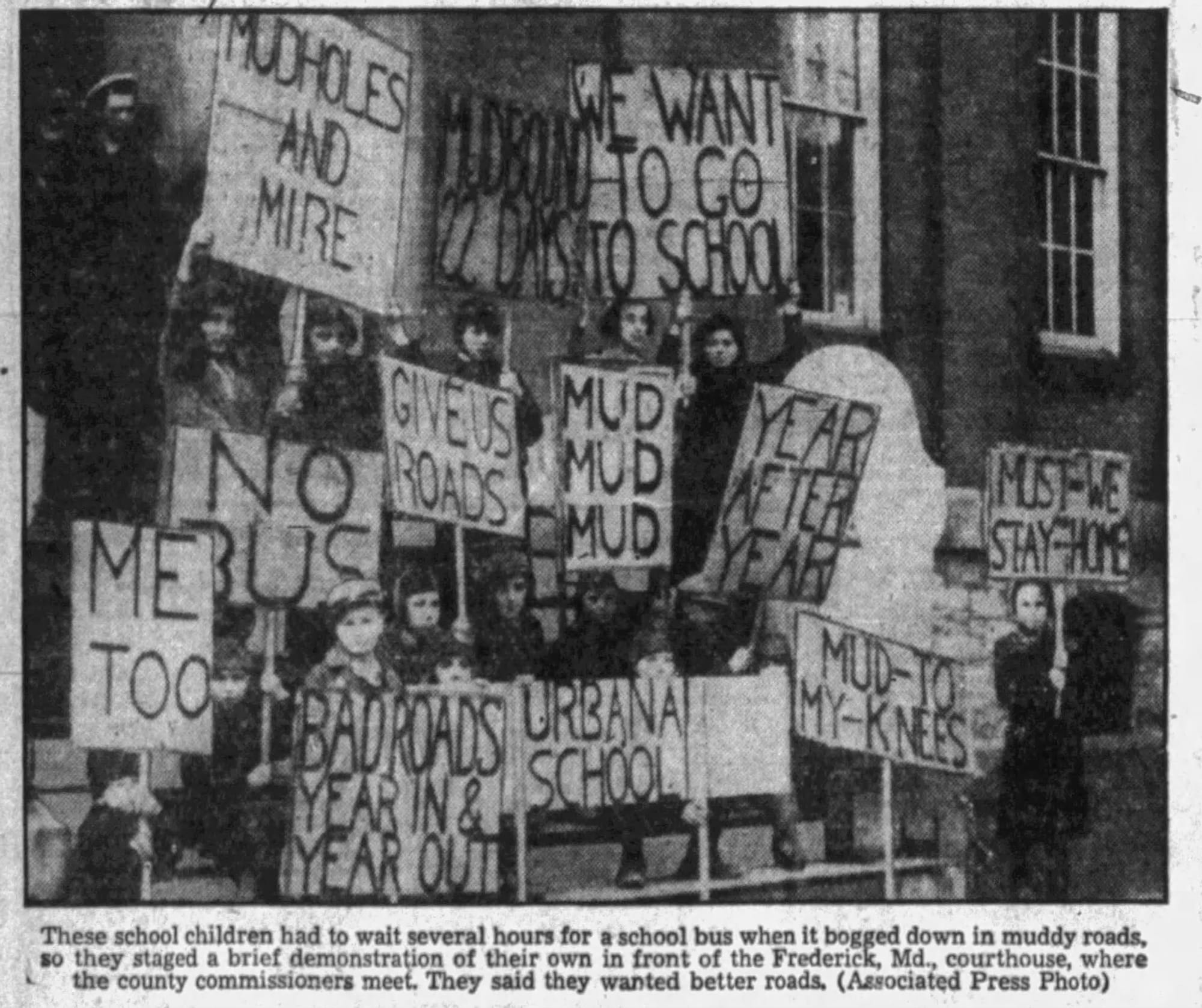
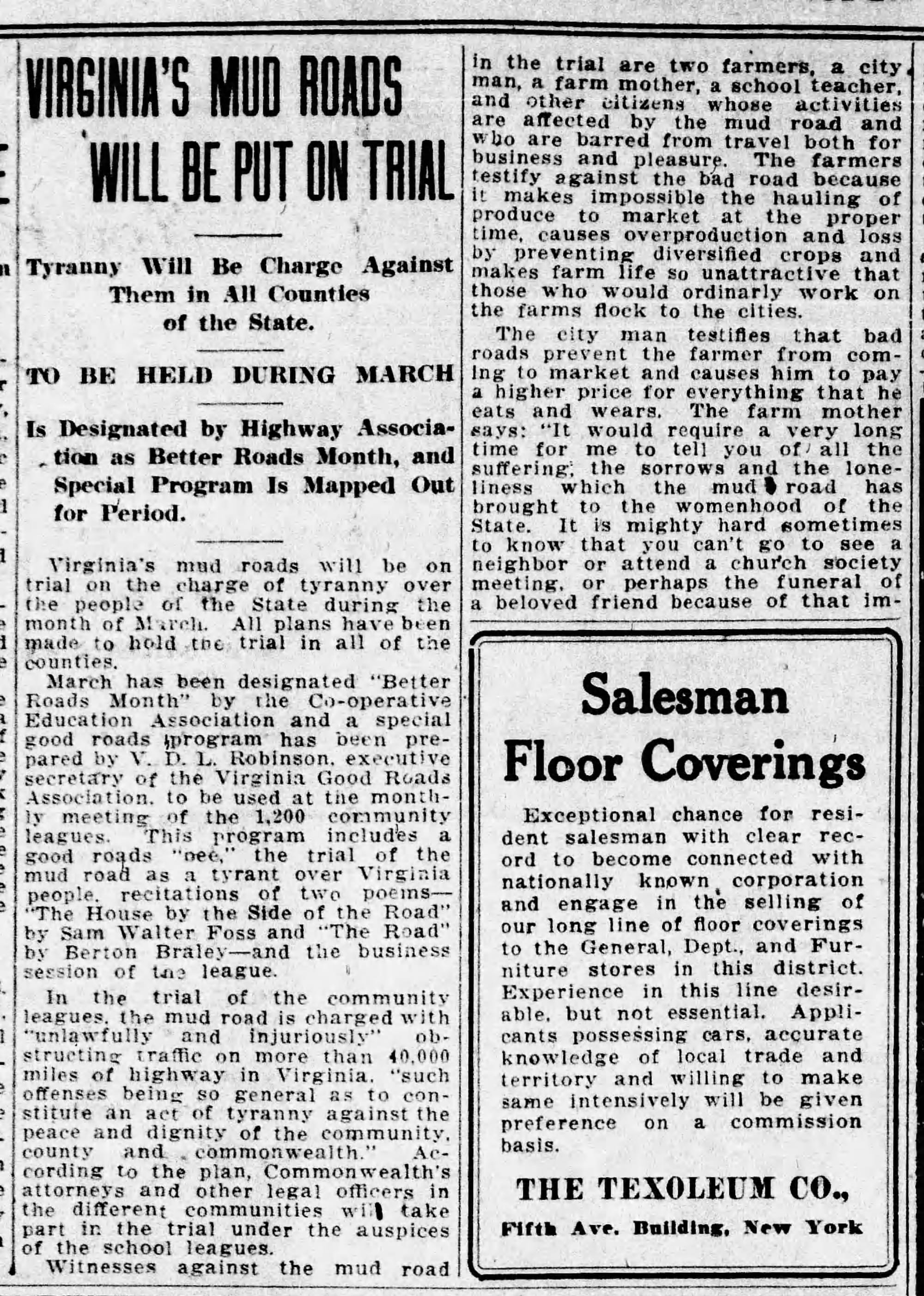
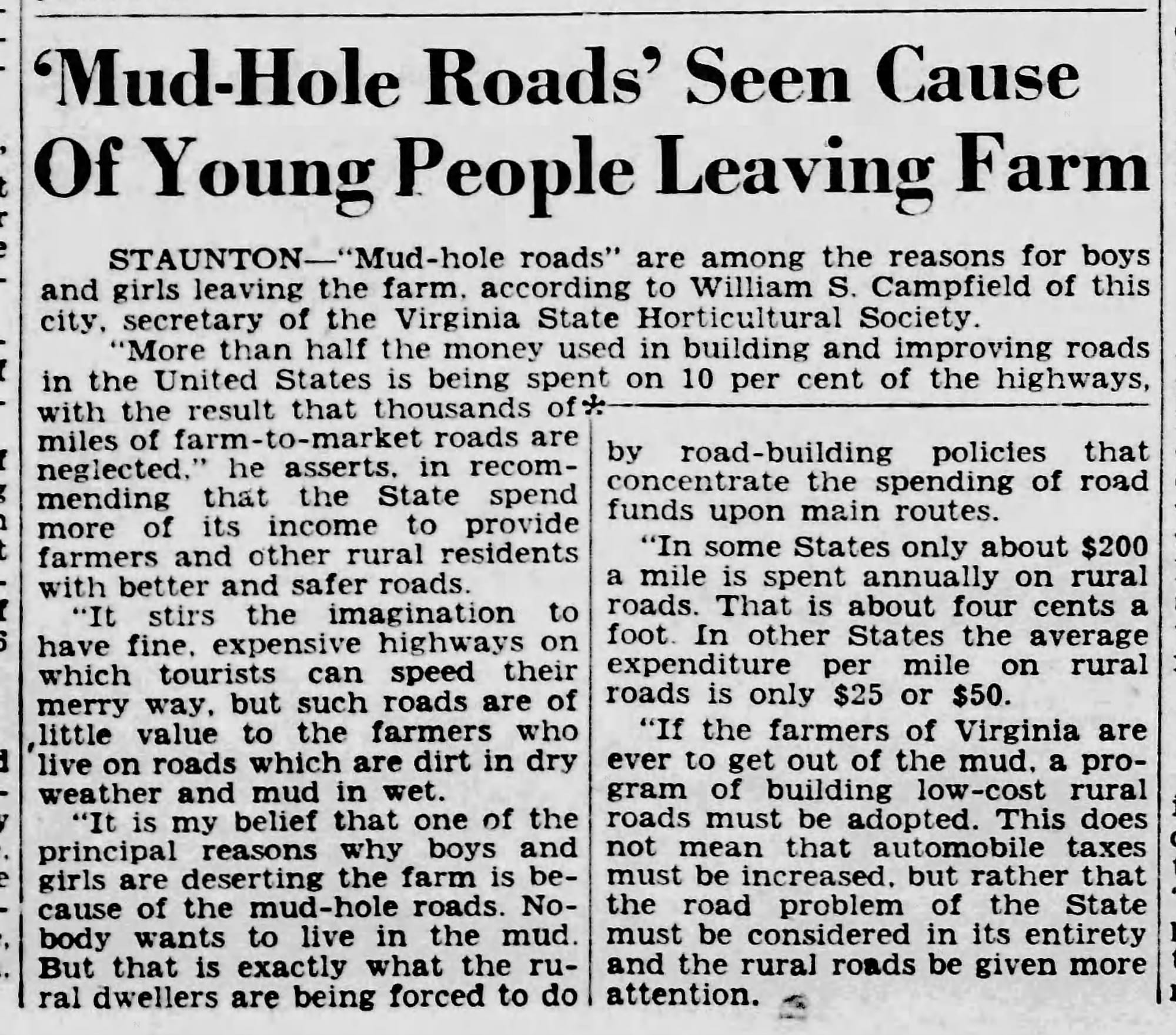
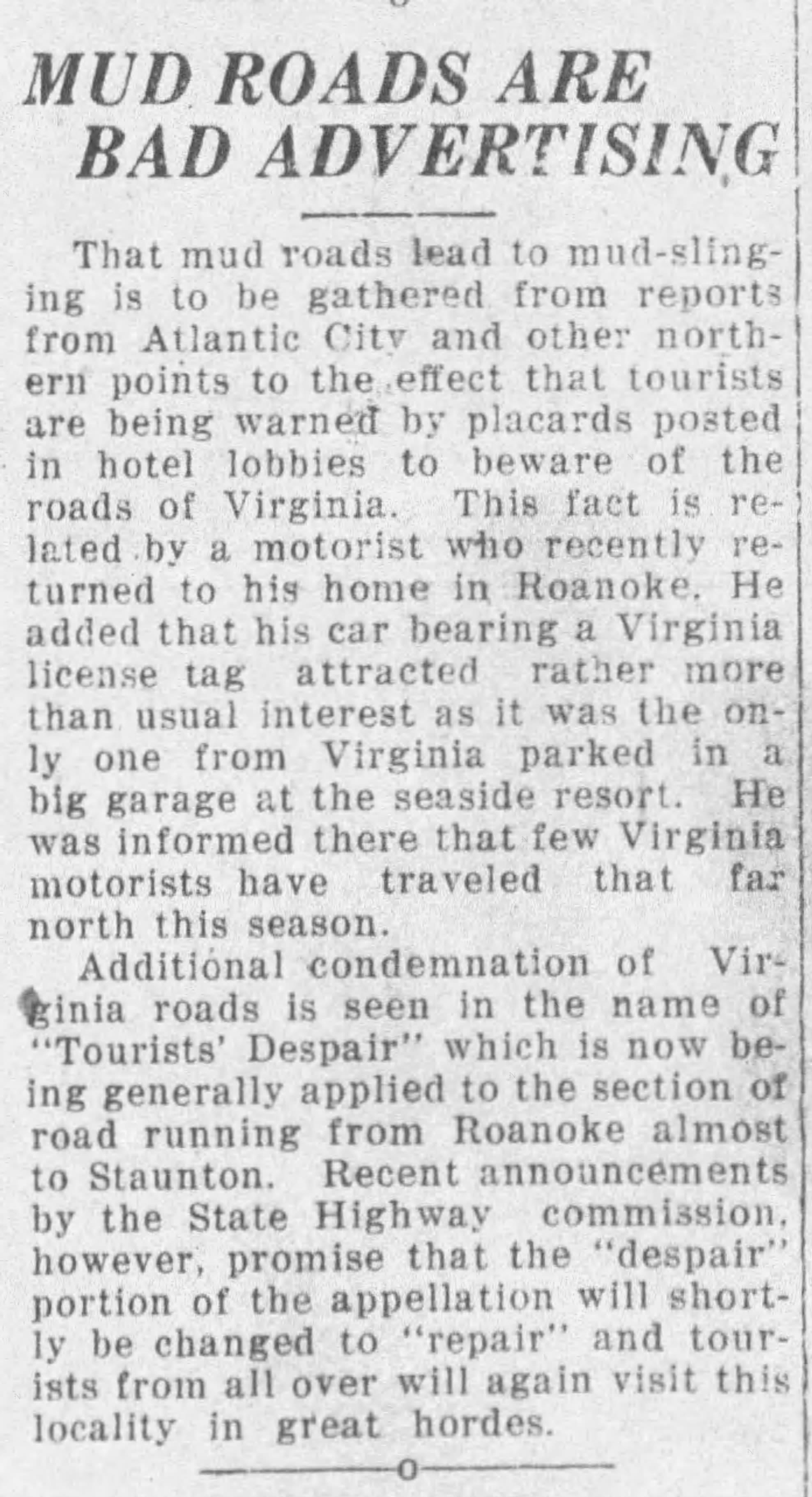
For a concise, yet comprehensive history of road transportation in the Commonwealth, this is the document to read - A History of Roads in Virginia; The Most Convenient Wayes
One piece of this history that is relevant to us is that in 1922, the state created the VDOT districts that still exist today. (One for NoVa was created in 1984.) Albemarle County is in the Culpeper District, and when you want to know what they are improving, wanting to improve, or studying how to improve, just go look up the Project website.
One program VDOT runs is called Project Pipeline. This “streamlines project planning and improves project readiness to ensure that needs are understood before offering solutions,” and importantly, it focuses “on the most critical needs for study in each district that are also supported locally for funding pursuits.”
This means that the areas under a Project Pipeline study are a high priority for VDOT to address. The state knows they are roads of concern and are in the process of addressing how to solve them. For more about how this works, this is a great short handbook about it.
One of the studies being done right now in Albemarle County runs right through what was Joel Terrell & David Lewis’ 1734 land grant. (side note, if you want more Albemarle history – here is some interesting stuff about David Lewis)
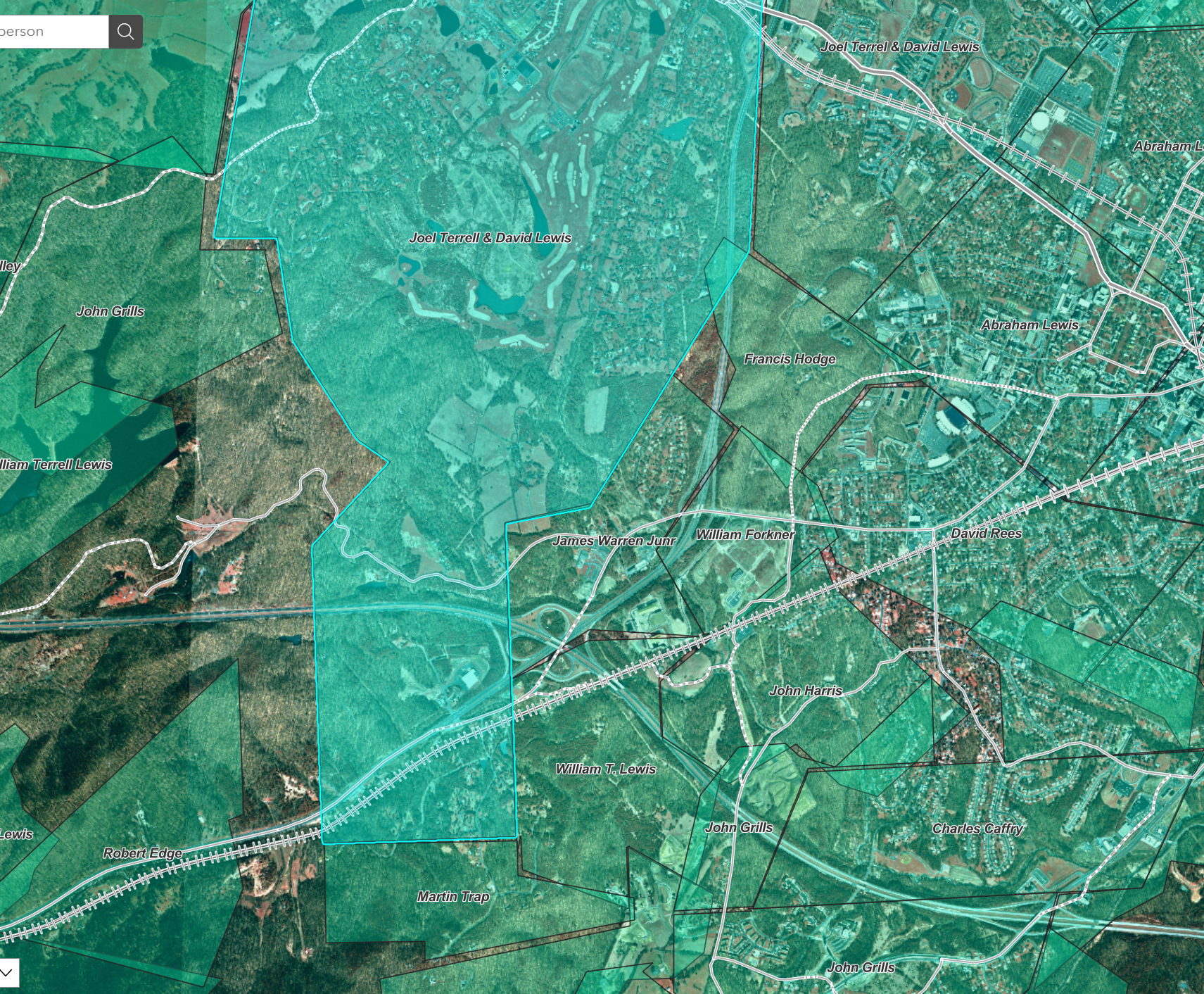
Of everything linked here, this is maybe the most helpful document to read - Rt. 29 Summary
One of the things they include in this summary is the Average Daily Traffic of 18,000 cars a day. Compare this to Rt. 29 from Hydraulic to Rio which has 55,000 ADT. 18,000 cars a day for 5 years means that cars have passed through that stretch of road almost 33 million times. I personally find this a good reminder that perception is not reality, when you look at how many accidents have occurred over that same time period. But yet even that amount is significant, which is why VDOT is trying to improve this corridor.
VDOT started this Rt. 29 study last year, and it is ongoing. In fact, it will probably go on even longer, because although the program is designed to work in conjunction with SMART Scale projects, the public did not like the proposed best-practices solutions. Last week they pulled a proposed project that would address some of the concerns from the SMART Scale applications, so that VDOT can spend more time studying what to do with this section of road. This of course means that any solution is going to be further away.
But there are also other studies and projects going on in Albemarle County, and several great applications proposed for SMART Scale funding. VDOT also does STARS studies, they do Corridor Studies, they complete projects, and if you click on a project and scroll down to the map, you can zoom out and you can also see all of the projects they are working on and what stage they are in.
From road orders to muddy roads to an 1816 board of public works to the 1906 State Highway Commission to Project Pipelines and SMART Scale funding, Albemarle County roads have always been something for people to complain about, and understandably so. But they have also constantly been improving. They have been de-stumped and graveled and paved and widened, and houses have been built alongside them and highways intersected and traffic lights added and sidewalks lined and crosswalks painted. And certainly, there is a whole other story about how we became a car-centric society instead of getting more public transit, and there are definitely things and priorities that need to change, transportation-wise at the state level (VDOT really needs to increase their priority and funding for bike/ped infrastructure, for example).
But some horses have left the barn, and U.S. 29 is now a corridor of statewide significance. This means that it will receive attention from VDOT to improve it, but it also means that cars are going to continue to primarily use it.
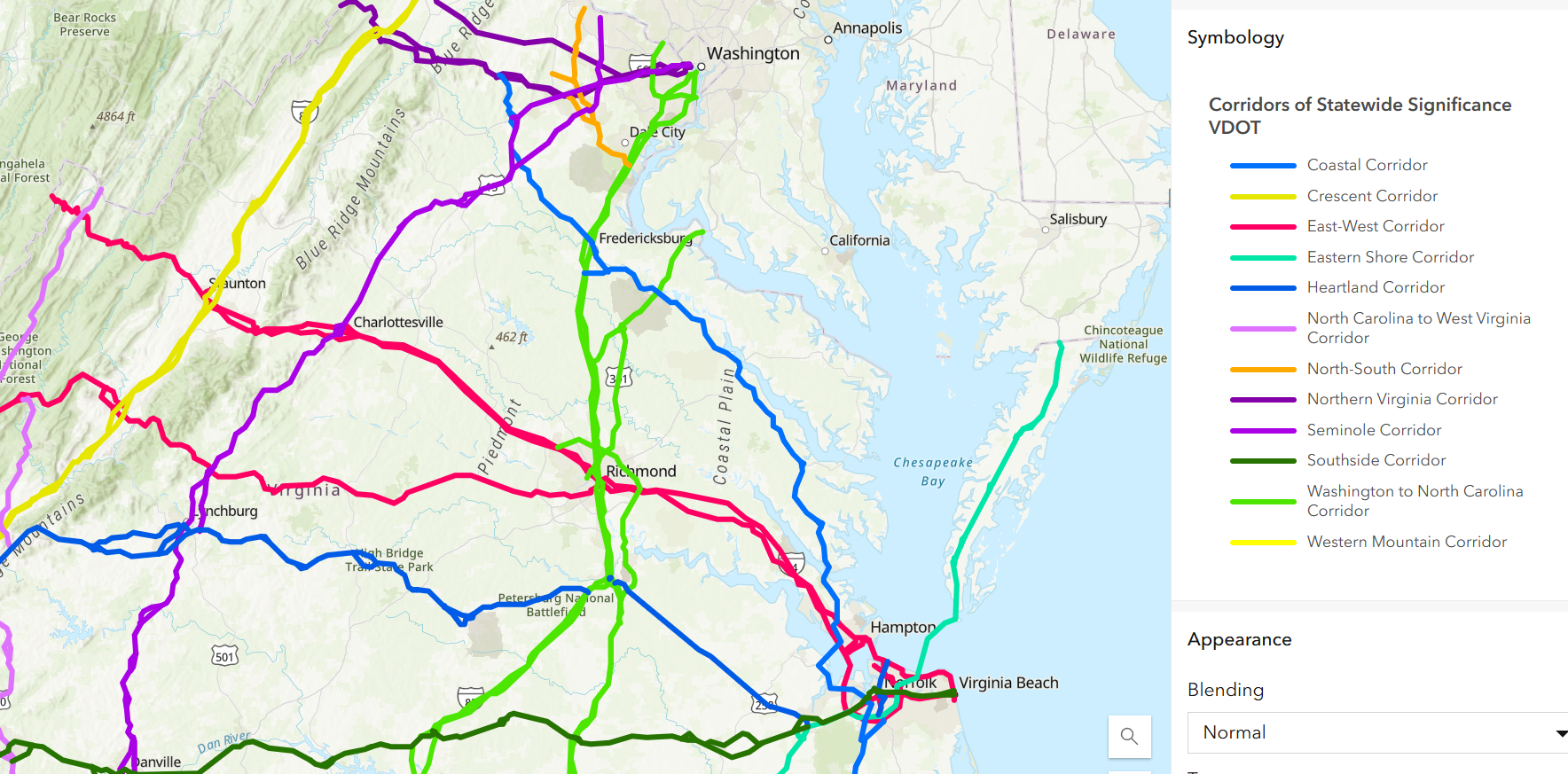
One thing we can definitely learn from the history of roads in Albemarle County is that it is unreasonable to expect that roads won’t change. The roads have been under constant change for almost 300 years. And yet somehow, even with all of that growth and change and traffic and changing traffic, it has not stopped people from wanting to be our neighbors, and of course, it has not made us move away.
Subscribe to my newsletter
Subscribe to stay updated on what I'm up to!